

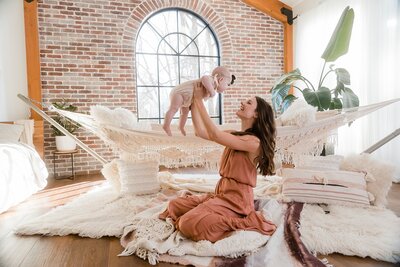
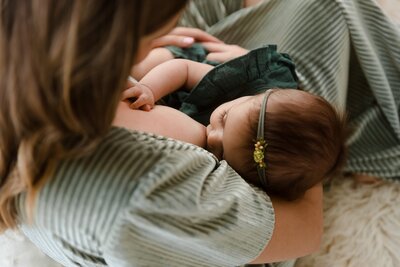
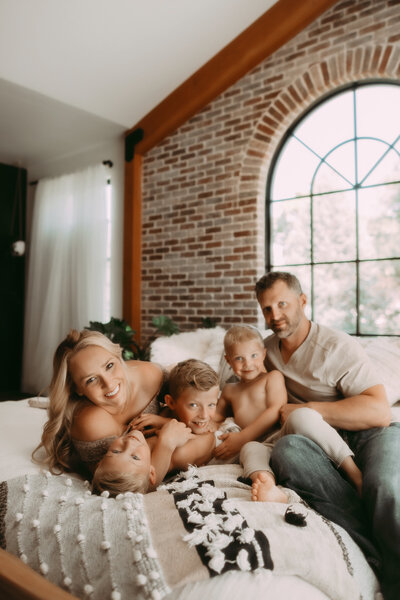
The first weeks after birth do not usually feel polished or predictable. You may be learning your baby’s feeding rhythms, healing, operating on very little sleep, and wondering when you will feel like yourself again. That is exactly why knowing how to plan postpartum portraits before your baby arrives can make the experience feel calm rather than like one more decision waiting for you.
Postpartum portraits are not about looking like you have everything figured out. They are a chance to document the beginning of motherhood with intention: the way you hold your baby, the softness of a nursing moment, the quiet connection between you and your partner, and the first images that will eventually belong in your home.
Start planning before your due date
The best time to begin planning a postpartum session is during pregnancy, ideally early in your third trimester. You do not need to choose every outfit or know exactly how your baby will arrive. You simply need a plan that protects your place on the calendar and gives you support once life becomes less predictable.
Many portrait studios reserve newborn and postpartum sessions based on your due date, then confirm the final date after birth. This approach gives your photographer room to work around an early arrival, a longer recovery, or a baby who needs a little more time at home before being photographed.
When you reach out, share what you want these portraits to hold. You may want images centered on your recovery and connection with your baby, breastfeeding portraits, photographs with your partner, or a more complete early-family session. Naming what matters helps your photographer recommend the right timing, setting, and level of styling.
Choose a timeframe that serves your vision
There is no single correct week for postpartum portraits. The right timing depends on the kind of images you want and how you are feeling.
For sleepy, gently posed newborn photographs, sessions are often held within the first two or three weeks after birth. If your focus is more on maternal connection, feeding, or relaxed family images, four to eight weeks postpartum can be a wonderful fit. Babies are often more alert at that stage, and many parents have had a little more time to settle into life at home.
If you have had a difficult birth, a NICU stay, postpartum complications, or simply need more recovery time, your session can wait. Beautiful portraits are not limited to a narrow window. An experienced studio can tailor the session around your family’s real circumstances instead of asking you to push through discomfort for a date on the calendar.
Decide what kind of postpartum experience you want
A postpartum portrait session can be held in a studio, at home, or outdoors, and each option creates a different experience. The best choice is not always the most convenient-looking one. Consider how much planning you want to carry yourself during an already demanding season.
An in-home session can feel meaningful because it documents the space where your new routines are taking shape. It also requires your home to have enough natural light and enough visual calm for the style of photographs you want. Some families love the honesty of a lived-in home; others feel stressed by the thought of preparing it.
A full-service studio session removes many of those decisions. A purpose-built studio offers controlled light, a comfortable temperature for baby, carefully selected backdrops, and a quiet place to pause for feeding or soothing. At Glean & Co, that planning can also include professional hair and makeup, wardrobe guidance, and a curated client closet, so you are not ordering outfits in the middle of the night or trying to coordinate everyone from a hospital bed.
Outdoor portraits can be lovely later in the postpartum season, especially if you want the setting to be part of the story. They are less ideal for a very young newborn, however, because weather, light, and comfort are harder to control. The trade-off is worth considering honestly rather than choosing an outdoor session only because it looks beautiful in someone else’s gallery.
Let comfort shape the session plan
The most successful postpartum portraits are built around your needs, not around a rigid shot list. Tell your photographer if you are healing from a cesarean birth, managing swelling, experiencing pain while sitting or standing, nursing, pumping, or feeling anxious about being photographed. A thoughtful plan can account for all of it.
Ask how long the session lasts and whether there is time for breaks. Newborns need to eat, be changed, and be soothed. Parents may need water, a snack, a private moment to pump, or a few extra minutes to settle in. None of this is an interruption. It is part of photographing a newborn family with care.
A session with a newborn should also move at your baby’s pace. Safety comes before any image. Your photographer should understand newborn handling, recognize when a baby needs a break, and use safe posing practices throughout the session. Some images that appear complicated are created as composites, with a supporting hand edited out afterward. You should never feel pressured to place your baby in an unsafe or uncomfortable position for a photograph.
Plan wardrobe around movement and closeness
Postpartum wardrobe should feel beautiful, but it also needs to let you breathe, sit, feed, and hold your baby comfortably. Soft dresses with movement, wrap silhouettes, elevated knit sets, and pieces with gentle texture tend to photograph well without feeling overly formal. Muted neutrals and soft, coordinated colors keep attention on faces and connection rather than competing patterns.
Avoid choosing clothing solely for the size you expected to wear after birth. Your body has done something extraordinary, and it may not feel familiar right away. A good wardrobe plan prioritizes fit at the time of the session, with fabric that does not pinch, pull, or require constant adjustment.
For a partner, a simple shirt or knit in a complementary tone is often enough. If older siblings will be included, comfort matters even more. Choose clothing they can move in, and let the photographer guide the session around short attention spans rather than expecting them to perform for an hour.
Make hair and makeup a form of support
Professional hair and makeup is not about covering the reality of postpartum life. It is about giving you one less task and helping you feel cared for before you step in front of the camera. A polished, natural application can bring warmth back to tired skin, define your features in soft studio light, and help you recognize yourself in the finished images.
If you prefer to do your own makeup, keep it simple and a touch more defined than your everyday routine. Camera lighting can soften makeup considerably. Bring lip color, tissues, water, and anything that helps you feel comfortable. Most importantly, leave extra time. Rushing with a newborn is almost guaranteed to make the morning harder.
Think about the finished artwork before the session
Digital files are convenient, but postpartum portraits are often the images families want to live with every day. Before your session, consider where you would like to see these photographs: a framed piece in your bedroom, an album you can revisit years from now, or a small collection displayed together.
This is not about making every wall a gallery. It is about choosing a few images that deserve a physical place in your home. When you plan for artwork early, your photographer can compose and photograph with those spaces in mind. A horizontal family image may suit above a dresser, while a quieter vertical portrait of you holding your baby may belong beside your bed.
A guided ordering appointment can be particularly helpful when you are postpartum. Instead of sorting through hundreds of files alone, you can see your images, compare sizes, and make decisions with professional input. The result is more likely to be artwork that is finished and enjoyed rather than a folder you mean to return to someday.
Give yourself permission to arrive as you are
You do not need a perfectly timed feed, a spotless diaper bag, or a baby who sleeps through the entire session. Bring the essentials, communicate what you need, and let the professionals carry the details they are trained to manage.
The most moving postpartum portraits rarely come from a flawless plan. They come from being supported enough to soften into the moment: your hand on your baby’s back, your partner watching you both, the expression you make when your baby settles against your chest. Plan for comfort, choose people you trust, and let the photographs reflect your family exactly as it was becoming itself.


LEAVE A COMMENT
Comments