

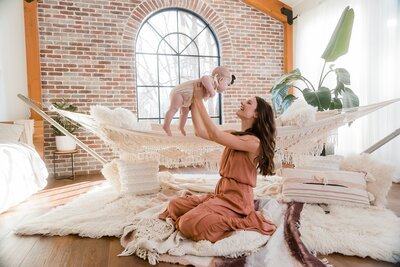
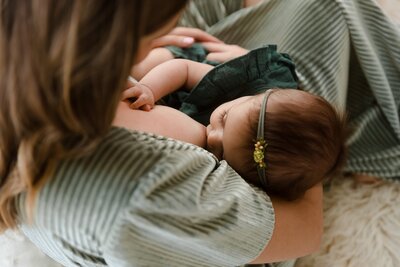
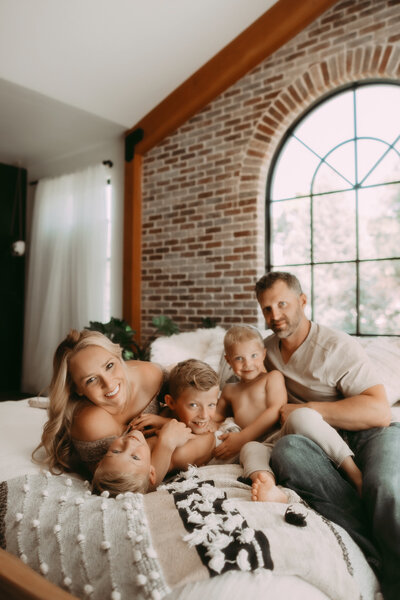
A baby’s first year can feel both incredibly full and strangely blurred. There are the quiet feedings, the new expressions, the sudden ability to sit, stand, and insist on doing things independently. Thoughtful milestone album design examples give those scattered memories a home – not as a crowded record of every photo, but as a carefully told family story you can return to when the details begin to soften.
A beautiful album does more than hold images. It gives shape to a season that changed your family, preserving the way your baby fit against your chest, the curve of their cheeks, and the familiar comfort of your hands around them. The strongest designs feel elevated without feeling overly formal, and personal without becoming visually busy.
What Makes a Milestone Album Feel Timeless?
The best milestone albums are designed with restraint. Rather than trying to include every favorite image, they use pacing, scale, and breathing room to let meaningful photographs carry the story. A close-up of tiny hands can have as much emotional weight as a full family portrait when it is given a full page and a quiet place to land.
Consistency also matters. A single color palette, coordinated wardrobe, and complementary locations or studio backdrops help an album feel intentional from beginning to end. That does not mean every page needs to look the same. It means the visual changes should feel connected, much like chapters in the same book.
For many families, a first-year album begins with maternity portraits or newborn images and ends around the first birthday. Others choose a shorter collection built around three, six, nine, and twelve-month milestones. There is no correct timeline. The right structure depends on which transitions you most want to remember and how you hope to experience the album years from now.
Milestone Album Design Examples That Tell a Story
The First-Year Chapter Album
This approach follows your baby through a series of distinct stages, often from newborn through the first birthday. The opening spread may feature a serene newborn portrait and a simple title page with your baby’s name and birth date. From there, each section shifts gently into the next season: the first smiles, steady head control, sitting up, crawling, and the delightfully expressive one-year-old stage.
The key is not to make each session look like a separate scrapbook. Repeating a few design elements, such as soft neutral page backgrounds, clean type, and a similar balance of full-page portraits and smaller image groupings, creates cohesion. This format is especially meaningful for parents who know that the first year moved quickly but want to see the growth in a clear, beautiful sequence.
The Newborn-to-One Family Story
A milestone album does not need to be only about the baby. Some of the most moving spreads include the people who made up your baby’s first world. A mother holding her newborn, a parent’s hand supporting a wobbly sitter, a sibling’s tentative affection, and a relaxed family portrait all give the album emotional context.
In this design, milestone portraits are woven together with family connection. One spread might pair a close baby portrait with an image of your family gathered naturally around them. Another may place a parent-and-baby moment across from a detail image of curled toes or soft hair. The finished book says more than, “Here is how much our baby changed.” It also says, “Here is how our family grew into this version of itself.”
The Minimalist Fine-Art Album
For families drawn to calm interiors and classic design, a minimalist album can be exceptionally powerful. These books often feature fewer photographs, generous white or warm neutral space, and one carefully chosen image per page or spread. The result feels editorial, serene, and enduring.
Minimalism is not the same as leaving pages empty. It requires confident image selection. A luminous maternity portrait, a peaceful newborn close-up, and a joyful sitting milestone image each need to stand on their own. This format works beautifully when portraits have been intentionally styled and photographed with a consistent, refined aesthetic.
The Color-Forward Personality Album
Not every family wants an all-neutral book. If your sessions include a favorite patterned outfit, a colorful birthday setup, or a home setting filled with personality, a more vibrant design can feel honest and wonderful. The goal is to edit color with care rather than allowing every page to compete for attention.
Choose one or two recurring tones to guide the book. For example, soft blue, warm cream, and natural wood can appear in different ways throughout the album, even if the images were taken months apart. A colorful cake smash can become a joyful final chapter when it follows quieter milestone portraits, rather than visually overtaking the entire book.
The Details-and-Documentary Album
Parents often choose portraits because they want to remember how their baby looked. Later, many find themselves most drawn to the small details: the dimpled knuckles, the serious concentration while holding a wooden block, the milk-drunk nap, or the way a favorite lovey was clutched during a session.
A details-and-documentary approach balances polished portraits with those smaller observations. It might include a full spread of your baby’s face alongside a page with several close crops of hands, feet, eyelashes, and clothing details. If there is meaningful text to preserve – a nickname, a short note about your baby’s temperament, or a line you found yourself saying all year – use it sparingly. A few well-placed words can deepen the story. Too much text can turn an album into a journal that is harder to revisit visually.
How to Build Better Pacing Across the Pages
Album design has a rhythm. A sequence of ten similarly framed portraits can make even beautiful photographs feel repetitive, while too many images on one spread can make the book feel hurried. The most natural designs alternate between wide and close, quiet and active, polished and candid.
Begin with a strong opening image that establishes the feeling of the book. From there, allow a little room before moving into a denser collection of images. A full-page newborn portrait might be followed by a spread with two or three smaller family moments. Later, a single image of your baby standing proudly can become a turning point before the joyful energy of the birthday chapter.
Consider what belongs together emotionally, not just chronologically. A close-up of your baby’s hand may pair more meaningfully with your hand holding theirs than with another image from the same session. This is where professional design guidance makes a difference: the album becomes a narrative rather than a date-ordered gallery.
Choosing Covers, Materials, and Personal Details
The exterior should feel at home in your life, not stored away because it is too delicate to touch. Linen and leather are both beautiful choices, though they create different impressions. Linen feels soft, tactile, and relaxed, while leather brings a more classic, substantial presence. A neutral cover often gives the album the longest visual life, especially if you plan to display it on a shelf or coffee table.
Keep cover personalization simple. A child’s name, initials, or a discreet date can be enough. Elaborate cover text may feel meaningful in the moment, but understated details tend to age more gracefully.
Inside, archival printing and durable page construction matter as much as the design. A milestone album should invite regular handling by parents, grandparents, and eventually the child whose story it tells. Professionally produced albums are made for this kind of use in a way loose prints and mass-produced books often are not.
Let the Album Reflect Your Actual Family
The most successful milestone album does not chase a trend or try to imitate someone else’s family. It reflects what this year truly felt like for you. Maybe that means a quiet, softly styled book centered on your newborn and the tenderness of early parenthood. Maybe it means including the broad grin from a messy first-birthday celebration because that is the expression you never want to forget.
At Glean & Co, the album design process is part of caring for the whole experience: choosing images with intention, guiding the visual flow, and creating finished artwork that belongs in your home. Your first year does not need to be perfectly documented to deserve a beautiful record. It simply deserves to be gathered with care.


LEAVE A COMMENT
Comments