

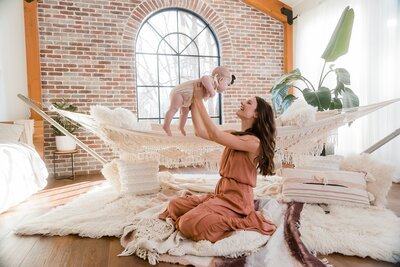
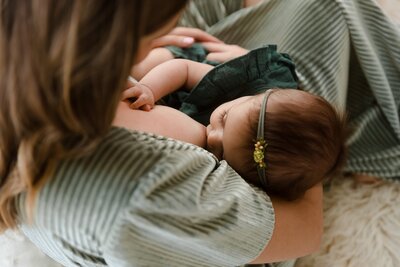
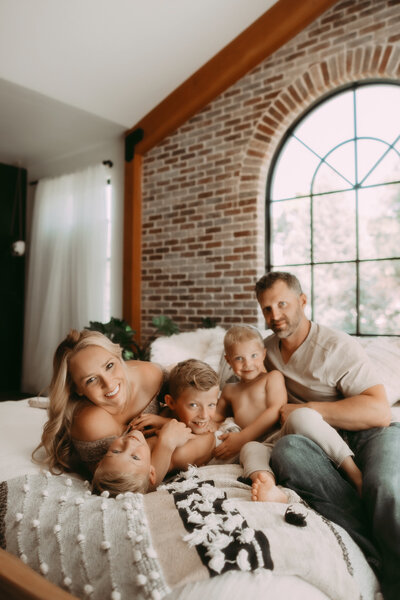
A newborn portrait session may look peaceful from the outside: soft wraps, sleepy expressions, and a baby curled comfortably in experienced hands. Behind those quiet images, a thoughtful newborn safety workflow should be guiding every choice. For new parents, understanding that process can make it easier to walk into the studio feeling informed, supported, and able to focus on your baby rather than wondering what comes next.
At Glean & Co, safety and comfort are not separate from the artwork. They are the foundation of it. A beautiful image is never worth rushing a baby, forcing a pose, or overlooking a parent’s concern. The best newborn portraits come from patience, preparation, and close attention to what each baby is communicating.
What a Newborn Safety Workflow Should Include
Newborn photography is a specialized form of portraiture because babies cannot support themselves, regulate their comfort in the same way older children can, or tell us when something does not feel right. A professional workflow accounts for those realities from the first conversation through the final frame.
This begins before your session date. A studio should ask about your baby’s birth, age, feeding needs, health considerations, and any preferences you have around handling, family portraits, or specific setups. This is not about making parents feel questioned. It is about creating a plan that respects your baby and helps the session move at a calm, realistic pace.
Sessions are often scheduled during the early newborn window because many babies are naturally sleepy and curled during those first weeks. Still, age is only one factor. A baby who arrives alert, hungry, or unsettled is not doing anything wrong. The schedule should have room for feeding, burping, diaper changes, cuddles, and pauses. You should never feel pressure to keep your baby on a timetable for the sake of a photograph.
A clean, prepared studio
The studio environment matters as much as the photographer’s hands. Fabrics, wraps, blankets, and surfaces that touch a baby should be freshly laundered or sanitized between sessions. Props should be stable, inspected, and used only when they are appropriate for a newborn’s size and development.
Temperature also requires care. Newborns can become warm or cool quickly, particularly during unclothed or lightly wrapped portraits. Rather than relying on one fixed room temperature, the photographer should watch the baby’s cues, adjust layers, and use warmth carefully. A baby who is flushed, sweaty, shivering, or persistently fussy needs attention, not another attempt at the pose.
Parents can help by dressing comfortably and planning for a longer visit than the final gallery might suggest. A session with a newborn is not an appointment to power through. It is a carefully paced experience built around the baby in front of us that day.
Supported posing, never forced posing
Newborn images often feature positions that look effortless, but many of those photographs require constant physical support, careful editing, or both. A baby should never be left unsupported in a prop, on a raised surface, or in a position they cannot comfortably hold on their own.
For certain images, a parent or trained assistant may keep a hand on the baby at all times. The final artwork can be created from multiple frames, with supporting hands removed during professional retouching. This is commonly called a composite image, and it allows for a polished final portrait without asking a newborn to balance independently.
Not every popular pose is right for every baby. Some babies prefer to stay wrapped. Others resist having their hands positioned near their face, do not settle on their tummy, or simply need more time in a parent’s arms. An experienced photographer reads those signals and adapts. The goal is not to recreate a reference image at all costs. It is to create a portrait that feels gentle, natural, and safe for your child.
How Safety Shapes the Session Experience
A well-run newborn safety workflow does more than reduce risk. It changes how the entire session feels for a newly postpartum family. Instead of being asked to manage every detail, parents can settle in, feed their baby when needed, and take a breath while the photographer guides the process.
For many mothers, that care begins with practical hospitality. You may be recovering physically, adjusting to sleep deprivation, or navigating feeding for the first time. A studio that understands the postpartum season will make room for those realities. There should be no judgment if your baby needs to eat again, only settles against your chest, or has a fussy stretch that changes the original plan.
Family portraits follow the same principle. Babies are positioned securely and comfortably, with adults placed close enough to support them. Simple, connected images often become the most meaningful ones because they do not require anyone to perform. A parent’s hand around a tiny back, the weight of a sleeping baby against a shoulder, or the way siblings naturally lean in can tell the story without complicated setup.
Communication is part of safe care
You are the expert on your baby. A photographer may have extensive experience soothing and posing newborns, but parents should always feel comfortable speaking up. If you notice a cue, prefer a different level of wrapping, need a feeding break, or simply want to hold your baby, say so.
The photographer should also communicate clearly. Before moving into a pose or prop setup, they should explain what is happening and what support is being used. When a baby needs a pause, they should name it without making you feel as though the session is off track. Calm communication builds trust because it shows that your baby’s well-being is leading the room.
If your baby was born early, has reflux, has recently had a medical procedure, or has any health consideration that affects positioning or comfort, share that information before the session. Your photographer can tailor the plan or keep things especially simple. When there is a question about what is appropriate, your pediatric care team is the right source for medical guidance.
Questions Worth Asking Before You Book
You do not need to know every technical detail of newborn photography to choose a studio thoughtfully. A few direct questions can tell you a great deal about how a photographer works. Ask how fabrics and props are cleaned, whether an assistant or parent supports baby during prop images, and how the photographer handles poses that require compositing.
It is also reasonable to ask what happens if your baby will not sleep, needs extra feeding breaks, or does not tolerate a planned setup. The answer should feel flexible and reassuring, not rigid. A safety-centered photographer has more than one path to a meaningful gallery. Wrapped portraits, parent-held images, and close details of fingers, lashes, and soft hair can be just as artful as a deeply posed sleeping portrait.
You may also want to ask how long the session is expected to last and whether there is time to pause. The trade-off is simple: a calmer session can take longer than a quick photo appointment. For most families, that extra margin is exactly what turns the experience from stressful into cared for.
Preparing Your Baby Without Putting Pressure on Yourself
There are a few helpful ways to prepare, but none of them require you to engineer a perfectly sleepy baby. Feed your baby as you normally would before leaving, bring anything that helps with comfort, and plan for additional feeding during the session. A spare outfit for baby and a change of clothes for parents can make everyday messes feel far less disruptive.
Try to arrive with only one job: be present. You do not need to keep your baby awake all morning, insist on a particular pose, or apologize for normal newborn behavior. Babies lead the pace. When parents are given permission to follow that pace, the room often becomes calmer for everyone.
The artwork you bring home should remind you not only of how your baby looked in those first days, but of how deeply they were held. Choose a studio that treats those two things as inseparable.


LEAVE A COMMENT
Comments