

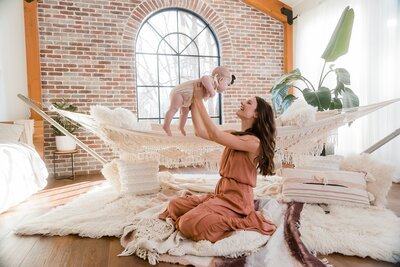
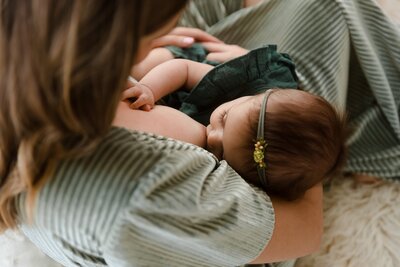
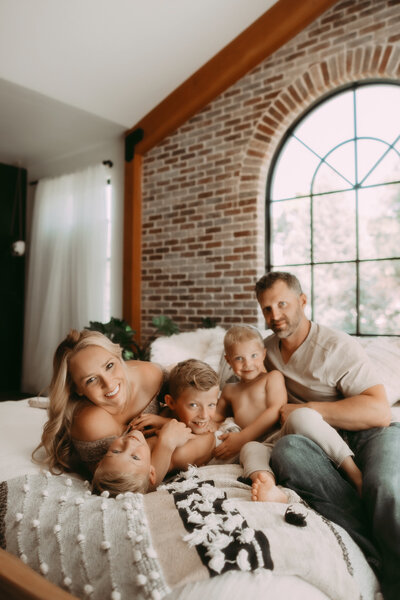
A curled-up newborn resting peacefully in a portrait may look effortless. In reality, that image is the result of careful observation, a warm and prepared environment, gentle hands, and the knowledge to recognize when a baby is comfortable – and when they are not. That is why newborn poses need training: beautiful images should never require a baby to be pushed past their natural limits.
For new parents, the early weeks can feel wonderfully full and physically demanding at the same time. Choosing a newborn photographer is not simply about liking a gallery. It is about trusting someone with your baby while you catch your breath, settle in, and let someone else manage the details with care.
Newborn Safety Is More Than a Gentle Touch
Newborn posing is a specialized skill because newborn bodies are still developing. Babies have limited head and neck control, changing sleep patterns, sensitive circulation, and strong preferences that may shift from one moment to the next. A photographer needs to understand how to support a baby throughout a pose, how to position hands and fingers softly, and how to move slowly without startling them.
Training also teaches a photographer what not to do. A pose should never be forced because it looked sweet on another baby or because it is popular online. Some babies settle easily with their hands beneath their cheek. Others prefer to stay more open, wrapped, or close to a parent. Their comfort is the standard, not a predetermined shot list.
The same principle applies to temperature, sound, fabrics, and timing. A studio may be warm for a lightly wrapped portrait, but a baby is watched closely for signs of overheating or discomfort. Props are selected for stability, and every surface is prepared before a baby is placed there. The quiet, unhurried feeling parents experience during a session is supported by a great deal of advance preparation.
Spotters and Composites Are Part of Responsible Posing
Some poses seen in newborn photography cannot be safely created as a single, hands-free image. A trained photographer uses a spotter – often a parent or assistant – to keep a hand on or immediately beside the baby when needed. In other cases, the finished portrait is a composite: two or more images carefully combined so that supporting hands can be removed afterward.
That distinction matters. A polished final photograph may show a baby appearing to rest independently, but safety support should always be present during the creation of the image. Parents deserve to know that artistry and caution work together, not in competition.
Why Newborn Poses Need Training Beyond the Camera
Camera knowledge alone does not prepare someone to pose a newborn. Exposure, editing, and flattering light are important, but they do not teach a photographer how to read a sleepy baby’s breathing, recognize a startle response, or pause when a position is no longer working.
Purposeful newborn education includes safe wrapping techniques, safe use of props, anatomy-aware posing, sanitation practices, and workflows designed around the baby’s needs. It also means learning how to work efficiently without rushing. Newborn sessions often include feeding breaks, diaper changes, soothing, and time to reset. A photographer who understands this stage plans for those moments rather than treating them as interruptions.
Experience deepens that training. Every baby brings a different temperament, level of alertness, and degree of flexibility. A skilled photographer does not expect a newborn to perform. They adapt the session to the baby in front of them.
This is especially meaningful when a baby arrives early, has reflux, prefers a particular side, or simply has a day when deep sleep is hard to find. Parents do not need to apologize for those realities. The goal is not to make your baby fit a concept. The goal is to create honest, artful portraits while protecting their comfort.
A Calm Session Begins Long Before You Arrive
The best newborn experience feels spacious because the planning happened ahead of time. Before the session, thoughtful communication helps a photographer understand what matters to your family, whether that is close-up details, parent portraits, a clean neutral palette, or images that include siblings.
At Glean & Co, the experience is designed to reduce the number of decisions waiting for you postpartum. A custom-built studio, curated wardrobe options, and guidance around styling create a cohesive look without asking you to coordinate every piece yourself. Professional hair and makeup can also make it easier for a new mother to step into photographs she may otherwise feel too tired to consider.
That concierge approach has a practical safety benefit, too. When the photographer is not scrambling to locate a blanket, assemble an unstable prop, or rethink the lighting mid-session, their attention can remain where it belongs: on your baby and your family.
A prepared studio also allows for flexibility. If a baby settles best while wrapped, the session can lean into wrapped images. If they are awake and content, eye-contact portraits and small expressions can become part of the story. If they need to feed, everyone pauses. There is no prize for getting through a session quickly.
What Parents Can Look for in a Newborn Photographer
You do not need to become an expert in newborn posing before booking a session. A few thoughtful questions can tell you a great deal about a photographer’s process. Ask how they prioritize safety, whether they use a spotter or composites for advanced-looking images, and what happens when a baby will not settle into a planned pose.
Listen for an answer that feels specific rather than rehearsed. A safety-minded photographer will be comfortable explaining their approach. They will talk about following the baby’s cues, supporting the head and airway, stabilizing props, allowing time for feeding and soothing, and adjusting expectations as needed.
You can also look closely at the work itself. Consistent newborn portraiture should show relaxed hands, supported heads, natural color, and babies who appear at ease. Be cautious of images where a baby seems precariously balanced, tightly compressed, or placed in a position that makes you instinctively uneasy. Your gut is worth listening to.
It is reasonable to ask about cleaning protocols as well. Newborn sessions involve blankets, wraps, surfaces, and close contact. A professional studio should have a clear routine for laundering and sanitizing session items between families.
Beautiful Does Not Have to Mean Complicated
Parents sometimes assume that a meaningful newborn gallery requires a long list of elaborate poses. It does not. A softly wrapped baby, a profile against a parent’s shoulder, tiny fingers resting on a chest, or a sibling leaning close can carry just as much emotional weight as a more stylized setup.
In fact, simpler posing often gives a gallery more longevity. The focus stays on your baby’s features, the scale of their body in your arms, and the first shape of your family together. Those are the details that tend to feel even more significant when they are printed in an album or displayed as archival wall art.
There is room for creativity, of course. The trade-off is that creative choices should be built on a safe foundation. A photographer may decide a particular prop portrait is appropriate only when a baby is deeply settled, or they may decide it is not the right choice that day. That judgment is not a limitation of the session. It is evidence of professional care.
The Right Training Lets Parents Exhale
Newborn photography asks parents to hand over something very tender: their trust. You should be able to sit back during your session knowing your photographer is not chasing a pose at your baby’s expense. You should be free to feed your baby, drink some water, have your hair finished, or simply watch someone see the beauty in a season that can otherwise move in a blur.
The most lasting newborn portraits are not defined by how complex the pose was. They are defined by the care behind it – a baby who was supported, parents who felt looked after, and images made with enough intention to hold their place in your home for years to come.


LEAVE A COMMENT
Comments