

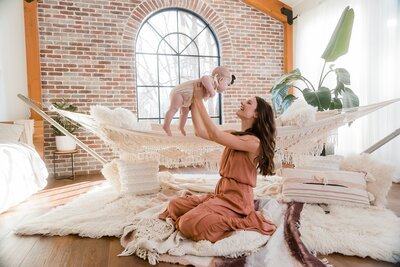
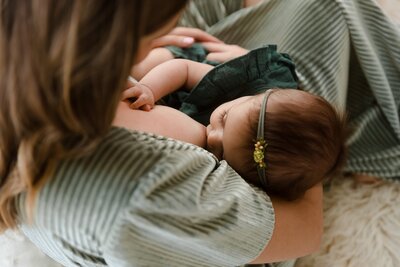
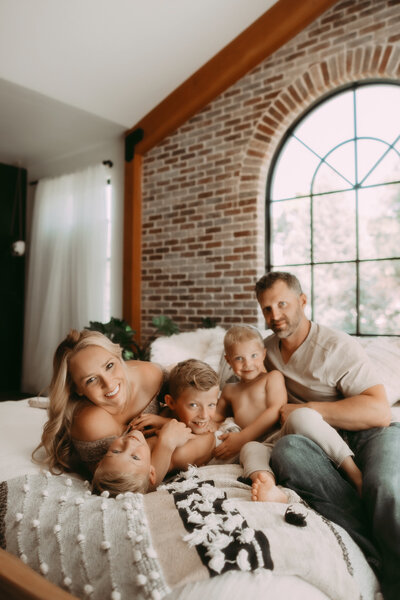
A family photograph is rarely about everyone looking perfectly at the camera. Years from now, you may notice the way your child tucked into your side, the familiar shape of your partner’s hand at your waist, or the expression that says, without a word, “we made it through that season.” The best family photography makes room for those details while giving you a finished result that belongs on your walls.
For many parents, though, the idea of a photo session sounds like another task to manage. Coordinate clothes, convince children to cooperate, get yourself ready, pack snacks, and hope no one melts down before the first image is taken. A thoughtfully guided experience changes the equation. You do not have to create beautiful photographs on your own. You simply need a space where your family can arrive, settle in, and be cared for.
Family Photography Is About Connection, Not Perfection
There is a difference between candid and unplanned. Children do not need to sit still for an hour, and parents do not need to perform a version of family life that feels unfamiliar. But a meaningful session does benefit from gentle direction, flattering light, and an environment designed for real people with real energy levels.
A skilled photographer watches for connection: a toddler reaching for a parent, siblings laughing at a silly prompt, a baby studying a familiar face. They also know when to step in. A small adjustment to a hand, a change in where someone stands, or a moment of quiet reassurance can turn a nearly-there image into a portrait with balance and emotional clarity.
That guidance matters especially when young children are involved. Some families arrive with a cheerful, outgoing preschooler. Others have a child who needs a few minutes of observation before joining in. Neither is a problem. The goal is not to force a particular mood. It is to meet your family where you are and create enough ease for genuine expressions to show up.
Why a Planned Session Feels Easier
The photographs may look effortless, but that ease usually comes from preparation. When the styling, timing, and logistics have already been considered, parents are free to be present rather than making decisions all afternoon.
Begin with the feeling you want to remember
Before choosing outfits or a backdrop, consider how you want the finished artwork to feel in your home. Do you picture something airy and soft, more editorial and refined, or warm and deeply connected? Your answer helps shape the wardrobe, color palette, posing, and products that will make sense for your space.
This is also the time to be honest about your family’s current rhythm. If your baby is newly mobile, if naps are unpredictable, or if an older child warms up slowly, those details should inform the plan. A well-designed session works with your reality instead of asking you to ignore it.
Let wardrobe support the portrait
Clothing is often the greatest source of pre-session stress, particularly for mothers who are used to putting everyone else first. Coordinated wardrobe does not mean identical outfits. It means choosing colors, fabrics, and silhouettes that work together without competing for attention.
Soft neutrals, muted earth tones, and layers with movement tend to photograph beautifully because they keep the focus on faces and connection. Texture can add depth, whether that is linen, knitwear, cotton, or a flowing dress. Large logos, neon colors, and busy patterns can pull the eye away from the people in the frame, though a bolder choice can work when it reflects your home and personal style.
Access to a curated client wardrobe removes much of the guesswork. It gives parents a starting point built for the camera and makes it easier to choose children’s clothing around one central look. Professional hair and makeup can have a similarly practical effect. It is not about looking unlike yourself. It is about sitting down for the session feeling rested, polished, and supported, even if your week has been anything but restful.
Choose a setting that serves your family
At-home images can be meaningful when your home has the light, space, and visual calm you want documented. They may be especially fitting when you want to remember a nursery or the everyday setting of early parenthood. The trade-off is that homes can be difficult to prepare when you are already caring for children, and window light changes quickly.
A studio offers consistency, privacy, and a controlled environment. It can be a welcome relief when the weather is unreliable or you would rather not clean before photographs. For Boise and Treasure Valley families, a custom studio also allows for a calm, comfortable experience across the seasons. The best choice depends on what feels most like you and what will make the day easier.
What Makes Young Children Feel Comfortable on Camera
Children rarely respond to being told to smile on demand. They respond to attention, play, movement, and the feeling that the adults around them are not worried. A family session often moves between composed portraits and simple interactions: walking together, cuddling close, whispering something funny, or letting a child show off a favorite big jump.
Parents set the emotional temperature. If your child is shy, avoid apologizing for them or repeatedly asking them to cooperate. Let the photographer lead, stay physically close, and offer calm encouragement. A child who needs to be held can still be beautifully photographed. In fact, the desire to be close is often part of the story of that particular age.
Snacks, a favorite comfort item, and realistic expectations are helpful. Bribes can sometimes work, but they can also create a negotiation that takes over the session. It is usually better to treat the experience as a short, pleasant family activity rather than a test your child must pass.
Safety and Experience Matter for Baby-Centered Portraits
When family photographs include a newborn or young baby, technical skill and safety should guide every decision. Babies need frequent breaks for feeding, soothing, and settling. They should be supported appropriately at all times, kept comfortable, and never pushed into a pose or position that does not suit them.
This is one reason newborn portraiture requires specialized experience. A photographer trained in newborn safety understands how to read a baby’s cues, build time into the session, and create images with careful posing and compositing when needed. The resulting photographs can look serene because the process behind them is patient and deliberate.
Parents should never feel rushed because their baby needs them. Feeding, changing, rocking, and pausing are not interruptions to the experience. They are part of it. A studio that welcomes this reality gives parents permission to exhale.
Create Artwork You Will Actually Live With
Digital images are convenient, and they deserve a place in your life. You can share them with family, revisit them on your phone, and keep a record of the details that change quickly. But photographs gain a different kind of presence when they are printed with care.
An album invites you to sit with the entire story of a session rather than scrolling past one favorite image. Framed wall art becomes part of the visual language of your home. It reminds children that they belong there, not only in the day-to-day rush but in the family’s lasting record.
Choosing artwork can feel overwhelming if you are handed a large gallery and asked to decide alone. Guided ordering is valuable because it connects your images to the rooms where they will live. Scale, framing, paper quality, and placement all affect whether a portrait feels considered or becomes another file waiting to be printed someday.
Let the Session Hold the Work for You
Family life does not pause long enough for most parents to feel fully ready for photographs. There may be laundry in a chair, a child in a difficult phase, postpartum emotions that are still close to the surface, or a calendar that seems determined to fill itself. You do not need to solve all of that before being photographed.
A carefully planned family session is not about proving that life is tidy. It is an opportunity to step into the frame with the people who know you best, with enough support around you that you can stop managing the moment and simply be part of it. Let the artwork on your walls reflect not perfection, but the steady, unmistakable fact that you were there.


LEAVE A COMMENT
Comments